
Skip to content
Engineering

How to Prepare a Casting Drawing for Quotation

A practical guide to preparing a casting drawing so a foundry can review feasibility, plan the process, and quote your part clearly.

By Ashoka Precision Castings
· 4 min read
Photo illustrating: How to Prepare a Casting Drawing for Quotation

Preparing a complete casting drawing makes it easier for an investment foundry to assess feasibility, identify critical requirements, and prepare an accurate quotation. This guide is for design engineers, procurement teams, and product managers sending pump, valve, automotive, or other precision-part enquiries.

You will learn which drawing details matter most, what supporting information to include, and how to reduce avoidable questions before a quotation request reaches the foundry.
Key takeaways

  • A clearly identified drawing revision reduces quotation errors and review delays.
  • Material, tolerance, machining, and inspection requirements should be explicit.
  • Service conditions and assembly context help the foundry assess feasibility.
  • Quantity and sample expectations influence the proposed process and tooling approach.
  • Consistent supporting files make technical review more efficient.

Start with the correct drawing revision

Send the latest approved drawing and mark the revision clearly. Include the part number, drawing title, scale where useful, and the date or revision history used by your team.

If the part is supplied as part of an assembly, identify its function and orientation. An assembly view or reference image can help the foundry understand interfaces that may not be obvious from the individual-part drawing.

Define material and casting requirements

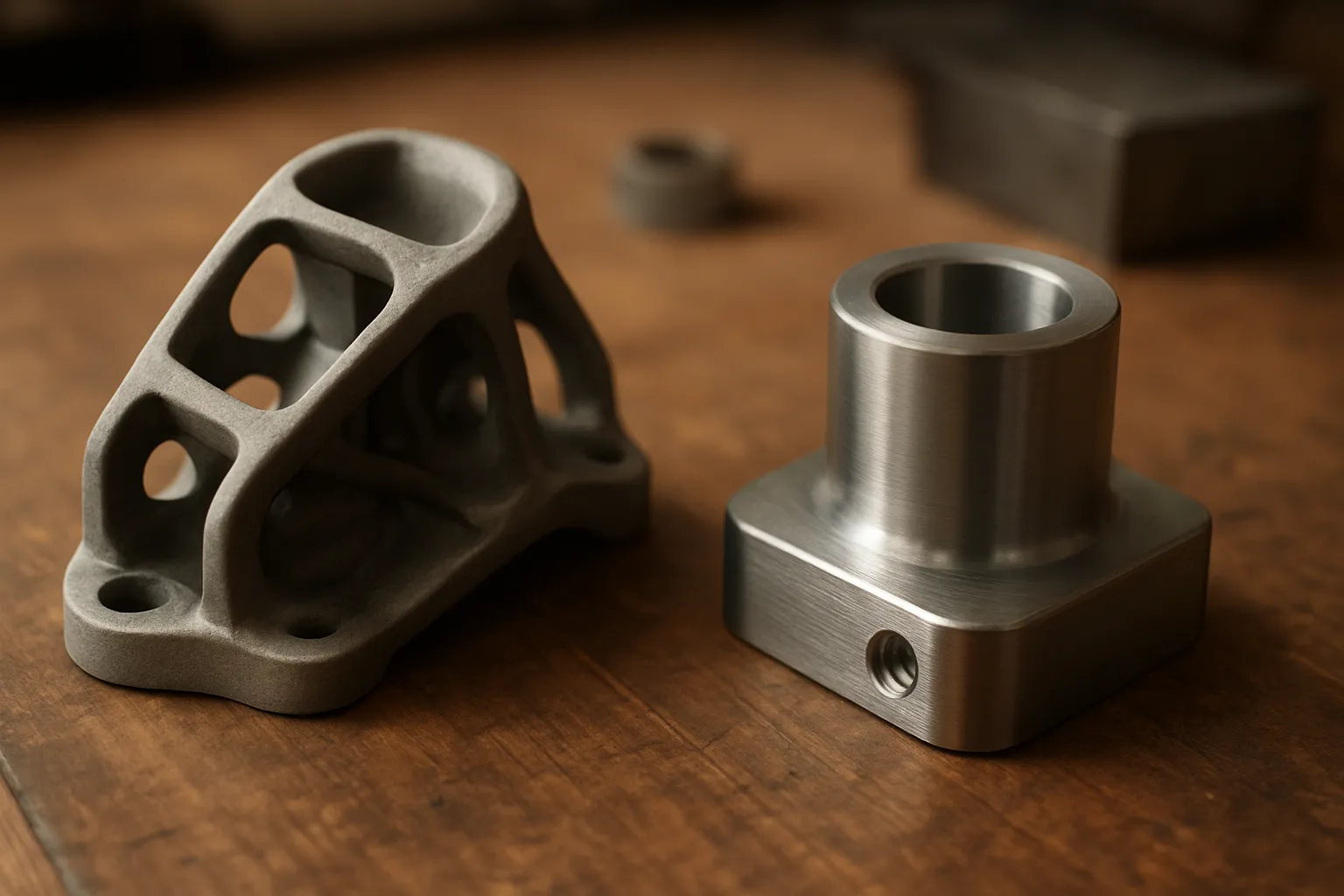
State the required material grade and any applicable material standard. For steel or aluminium castings, the grade affects process planning, heat treatment, inspection, and machining considerations.

Identify whether the drawing represents the as-cast condition, the machined condition, or both. Clearly distinguish casting surfaces from finished surfaces, and note any required machining allowance where your specification depends on it.

If the component will operate under pressure, temperature, corrosion, vibration, or repeated loading, share the relevant service conditions. This context helps the foundry review the design against its intended application.

Mark critical dimensions and tolerances

Show dimensional tolerances, geometric tolerances, datum references, and surface-finish requirements directly on the drawing. Avoid relying on an unspecified general tolerance when a feature is critical to fit or function.

Highlight sealing faces, bearing locations, threaded holes, mating surfaces, and other features that must be controlled closely. Indicate which dimensions are inspected in the finished part and which apply before machining.

If a feature has a special inspection method or acceptance requirement, include it in the drawing notes or the enquiry documents.

Include production and quantity information

Share the expected order quantity, batch size, and anticipated repeat demand. A prototype or trial batch may require a different tooling and approval approach from ongoing production.

Tell the foundry whether you need a first-off sample, a pre-production inspection report, or approval before serial production. Also include your target delivery schedule if it is already defined, without assuming that the drawing alone determines lead time.

Add the documents that clarify the enquiry

A complete enquiry may include the part drawing, three-dimensional model, material specification, quality requirements, and any customer-specific standards. Provide the native CAD format when available, along with a neutral format such as STEP if appropriate.

If you have an existing sample, previous casting, machining fixture, or assembly reference, photographs can provide useful context. State what must remain unchanged and what design flexibility is available for casting feasibility.

Keep the file names and revision labels consistent across documents. This prevents an outdated model or specification from being reviewed by mistake.

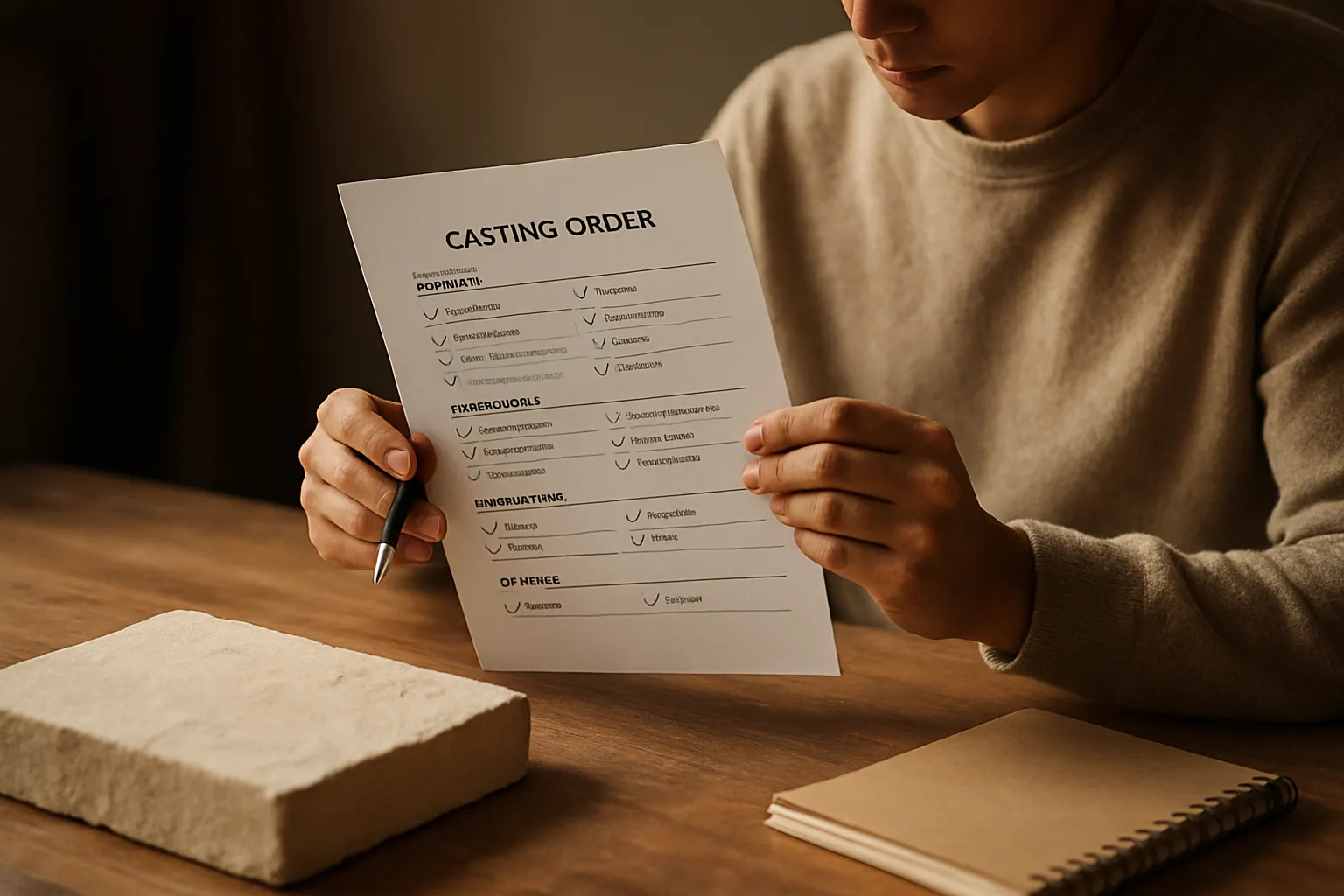
Use a final quotation checklist

  • Confirm that the drawing revision is current and approved.
  • Specify material grade, heat treatment, and applicable standards.
  • Identify as-cast dimensions, machined dimensions, and critical tolerances.
  • Mark datums, sealing surfaces, interfaces, and inspection requirements.
  • Provide the three-dimensional model or supporting reference files where available.
  • State quantity, batch expectations, sample requirements, and intended use.
  • List any special testing, documentation, packaging, or traceability needs.
  • Name a technical contact who can answer drawing-review questions.

Frequently asked questions

Do I need to send a 3D model with the casting drawing?

A 3D model is not always mandatory, but it is useful for complex geometry and can support feasibility review. Send it with the latest drawing revision and ensure the files describe the same part.

Should tolerances be shown for every dimension?

Use the drawing's general tolerance standard for non-critical dimensions, but specify individual tolerances and geometric controls wherever fit, sealing, machining, or function depends on them.

What quantity information should be included in an enquiry?

Share the initial batch quantity and, when known, expected repeat or annual demand. This helps the foundry consider tooling, process planning, sampling, and production requirements.

What if the design is not final yet?

Label the drawing as preliminary or for quotation and identify which features may change. The foundry can then review the design while understanding that the quotation may need to be updated after approval.

Can a foundry review a sample part instead of a drawing?

A sample can provide useful reference, but a controlled drawing is normally needed to define material, tolerances, finish, and acceptance requirements. Include photographs or the sample details as supporting information.

Send Your Drawing for Review

Share your latest casting drawing and supporting details with Ashoka Precision Castings for a practical feasibility review and quotation discussion.

Ashoka Precision Castings
ISO 9001 investment casting for pumps, valves, and automotive OEMs, with drawings quoted in 48 hours from Coimbatore.
Our services →
Share this article WhatsApp LinkedIn
← All posts