

Skip to content
Buying Guide

What to Check Before Placing a Casting Order

Use this practical checklist to confirm materials, drawings, inspection requirements, quantities, and delivery expectations before placing a casting order.

By Ashoka Precision Castings
· 4 min read
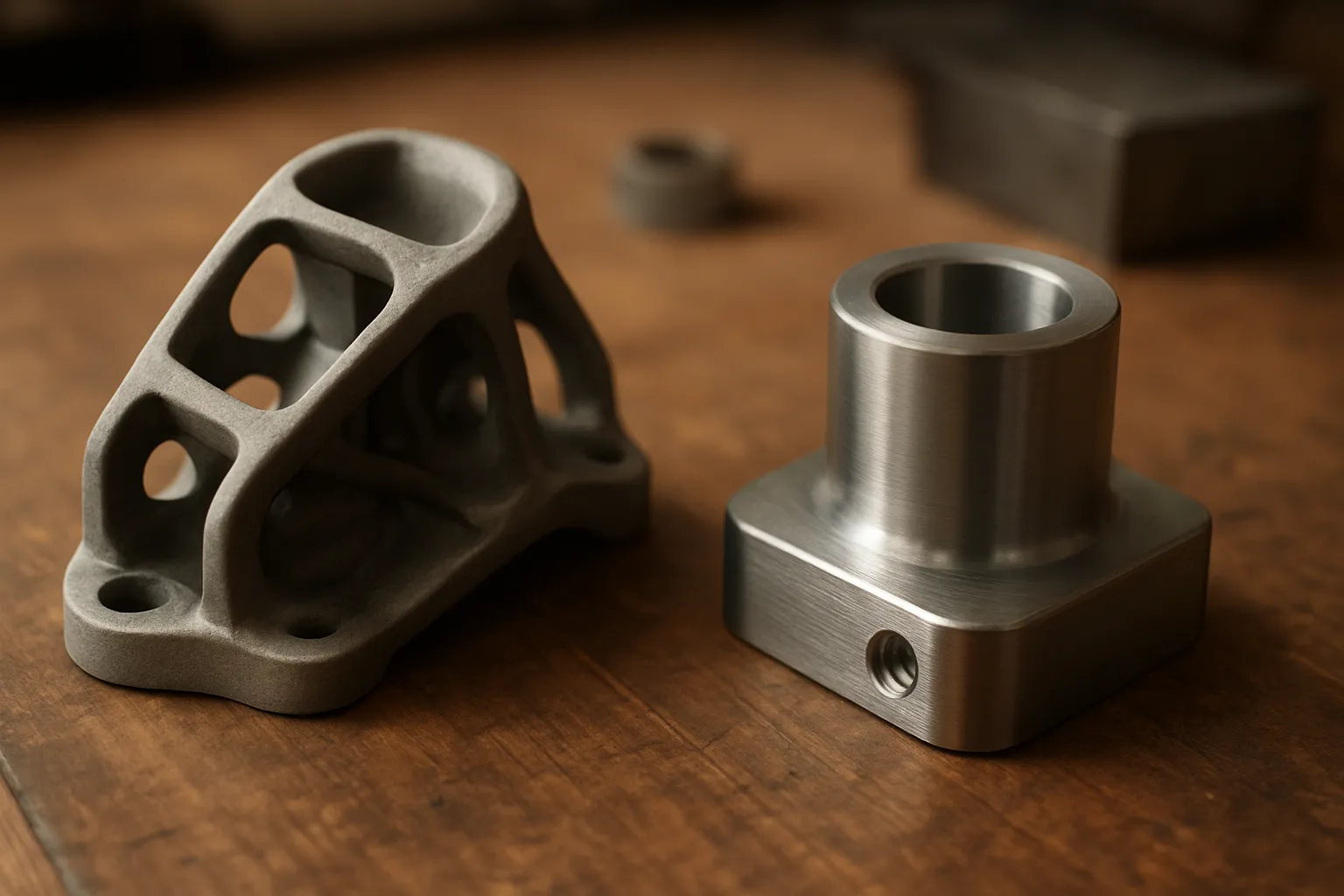
Photo illustrating: What to Check Before Placing a Casting Order

Placing a casting order involves more than confirming a material grade and quantity. A clear technical brief helps the foundry assess feasibility, select the right process, and plan inspection before production begins.

This guide is for engineers, procurement teams, and OEM buyers sourcing investment castings for pumps, valves, automotive parts, and other industrial applications. Use it to prepare a complete enquiry and reduce avoidable clarification during quotation and production.

Key takeaways

  • A complete drawing and clear revision reduce quotation and production confusion.
  • Material selection should reflect the component's operating environment, not only its shape.
  • Separate prototype, batch, and ongoing demand so tooling and supply planning are realistic.
  • Agree on machining, inspection, documentation, and approval requirements before production.
  • Clear packaging and delivery instructions help protect traceability through dispatch.

Finalise the Part Drawing and Revision

Send the latest approved drawing with a clear revision number and date. The drawing should show finished dimensions, dimensional tolerances, datum references, surface-finish requirements, and any features that will be machined after casting.

Mark critical faces, sealing areas, holes, threads, and assembly interfaces. If the casting is based on an existing part, include a sample, 3D model, photographs, or assembly reference where available. These supporting details help the foundry understand how the component functions, not just how it looks.

Confirm Material and Application Requirements

Specify the required material grade and any acceptable alternatives. Steel and aluminium grades can have different casting behaviour, finishing requirements, and inspection needs, so the application should be explained clearly.

Share the operating conditions that affect material selection, such as fluid contact, temperature, pressure, corrosion exposure, wear, or repeated loading. The foundry can then review whether the proposed material and process suit the part's intended service.

Define Quantity, Batch Size, and Supply Pattern

State the prototype quantity, trial-batch size, expected production quantity, and anticipated annual demand separately. A one-time replacement part, a pilot batch, and regular production supply may require different tooling, scheduling, and inspection planning.

Also explain whether the order will be released in one batch or through scheduled deliveries. This gives the supplier a clearer basis for reviewing tooling investment, capacity, packaging, and ongoing supply requirements.

Agree on Machining and Finishing Operations

Identify which surfaces will remain as-cast and which require CNC machining, grinding, polishing, drilling, or another finishing operation. Include the final tolerances and surface finishes for machined features.

Discuss machining allowances and inspection datums before production starts. For components with sealing faces or precise assembly interfaces, it is especially important to agree how the casting will be located and finished so the final part matches the drawing.

Set Inspection and Documentation Expectations

List the inspections required before dispatch. Depending on the component, this may include dimensional inspection, material verification, visual examination, surface-finish checks, or other tests specified by the drawing or purchase order.

Confirm which records should accompany the shipment, such as inspection reports, material certificates, test results, or sample-approval documents. Requirements should be agreed at quotation stage so they can be included in the manufacturing and quality plan.

Clarify Samples, Approval, and Change Control

For a new component, agree whether a first-off sample or pilot batch must be approved before regular production. Define who will review the sample, which characteristics are critical, and how comments will be recorded.

Keep drawing revisions, specifications, and approved changes under control. If the design changes after tooling or production planning begins, communicate the revision promptly so the supplier can assess its effect on tooling, process settings, inspection, and delivery.

Align on Packaging and Delivery Details

Explain how the parts will be packed, labelled, protected from damage, and separated by batch or heat when traceability matters. Small details in packaging can prevent mix-ups and surface damage during handling and transport.

Provide the required delivery location, preferred shipment schedule, and any export or documentation needs. The supplier can then plan dispatch around the actual receiving process rather than an incomplete date expectation.

A Simple Pre-Order Checklist

  • Approved drawing, revision, and 3D model if available
  • Material grade and relevant operating conditions
  • Prototype, trial, production, and annual quantities
  • Casting, machining, tolerance, and surface-finish requirements
  • Inspection, testing, traceability, and documentation needs
  • Sample-approval process and change-control contact
  • Packaging, labelling, delivery, and export requirements

Frequently asked questions

What information should I send for a casting quotation?

Send the latest drawing and revision, material grade, quantity or batch size, tolerances, machining and finish requirements, inspection needs, and delivery expectations. A 3D model or sample can provide useful supporting context.

Should I include a 3D model with the drawing?

Yes, when one is available. The drawing remains the controlling document for dimensions and requirements, while the 3D model helps the foundry review geometry and identify tooling or process considerations.

Do I need to specify machining allowances?

You should identify the surfaces that will be machined and provide the required finished dimensions and tolerances. The foundry can then review suitable allowances and confirm the proposed casting route before production.

When should inspection requirements be discussed?

Inspection and documentation requirements should be discussed during quotation and confirmed before production. This avoids misunderstandings about tests, reports, traceability, and sample approval at dispatch.

Can a foundry review a drawing before I place an order?

Yes. A drawing review can identify material, geometry, tooling, machining, inspection, and supply questions early. Sharing the complete technical information makes that review more useful.

Send Your Casting Enquiry

Share your drawing, material, quantity, and inspection requirements with Ashoka Precision Castings for a practical review of your next component.

Ashoka Precision Castings
ISO 9001 investment casting for pumps, valves, and automotive OEMs, with drawings quoted in 48 hours from Coimbatore.
Our services →
Share this article WhatsApp LinkedIn
← All posts